7 Tips Memilih Sepatu Lari Pemula Sesuai Bentuk Kaki dan Medan Jalan
Don't buy the wrong pair! Learn how to choose running shoes for beginners based on arch type, cushioning, and road surfaces to stay injury-free.
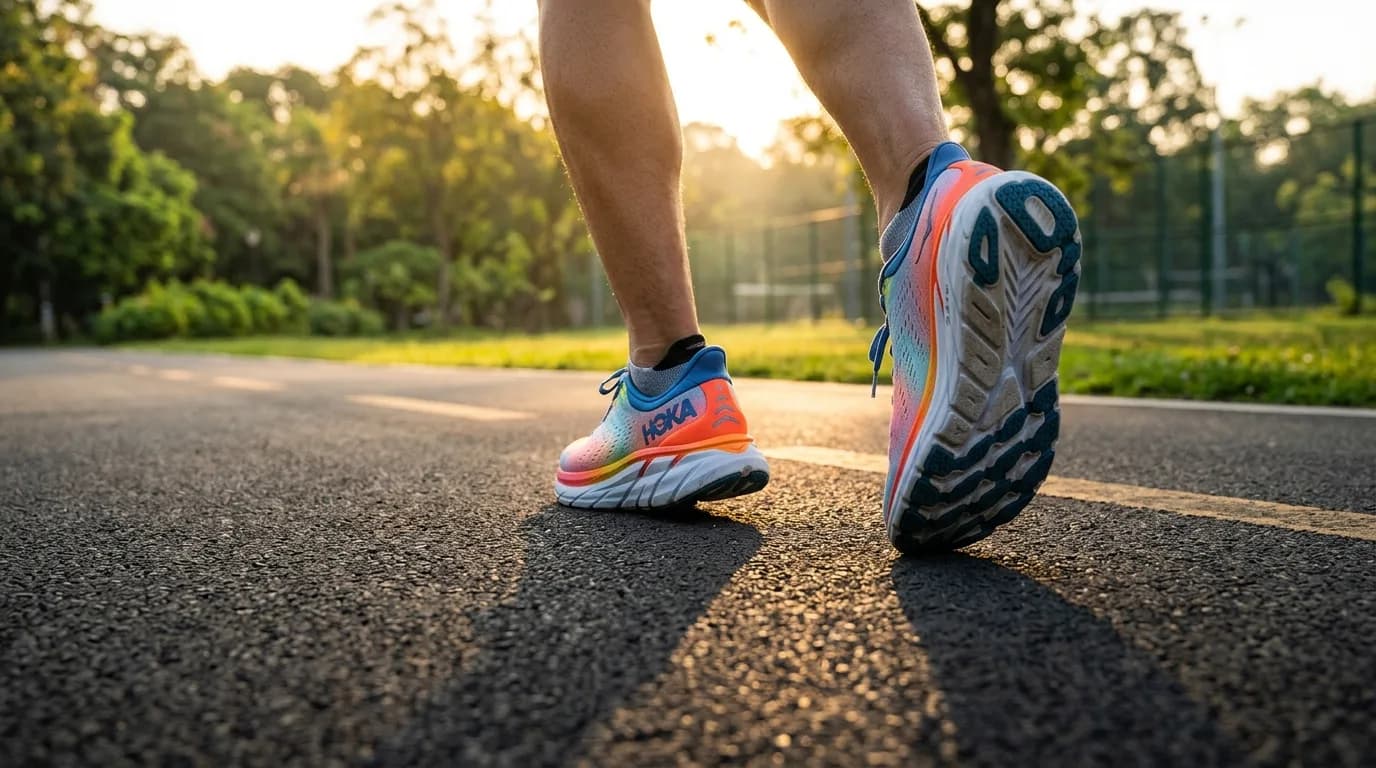
7 Tips for Choosing Beginner Running Shoes Based on Foot Type and Road Surface
Your most important piece of running equipment is a pair of well-fitted shoes. Understanding how to choose running shoes for beginners doesn't mean buying the most expensive carbon-plated racer—it means finding a reliable daily trainer matched to your foot arch and local terrain (Alodokter). Follow these 7 essential tips before buying your first pair:
1. Match the Shoe to Your Terrain (Road vs. Trail)
If you primarily run on the paved jogging track at Alun-Alun Rangkasbitung (Traveloka), Sport Center Ona, or city asphalt, choose Road Running Shoes designed with shock-absorbing midsoles and smooth rubber outsoles. Reserve lugged Trail Shoes for dirt and hill paths.
2. Know Your Arch & Pronation Type
- Neutral Arch: Pairs best with Neutral Daily Trainers that offer balanced cushioning.
- Flat Feet (Overpronation): If your ankle rolls inward upon landing, look for Stability Shoes featuring medial support posts.
- High Arch (Underpronation): Opt for Max-Cushion Neutral Shoes to absorb impact forces across your forefoot and heel.
3. Pick the Right Cushioning Level for Daily Miles
As a beginner building aerobic mileage on hard pavement, prioritize a Balanced or Max-Cushion Daily Trainer (Halodoc). Generous midsole foam protects your knees, hips, and shins from repetitive road shock.
4. Check the Heel-to-Toe Drop (Aim for 8–10 mm)
Heel-to-toe drop measures the height difference between the heel and forefoot cushioning. A standard 8 mm to 10 mm drop is ideal for beginners because it reduces strain on your Achilles tendon and calf muscles compared to aggressive low-drop or zero-drop shoes.
5. Go Half to One Full Size Up (The Thumb's Width Rule)
Feet naturally swell and lengthen during a 5K or 10K run (Alodokter). Leave a thumb's width (1–1.5 cm) of space in the toe box in front of your longest toe to prevent black toenails and friction blisters.
6. Choose a Breathable Engineered Mesh Upper for Tropical Weather
Running in warm, humid weather requires maximum airflow. Look for a lightweight engineered mesh upper that vents heat quickly and keeps your socks dry to prevent hot spots and blisters.
7. Shop in the Late Afternoon Wearing Your Running Socks
Your feet expand throughout the day, reaching their largest volume by late afternoon. Always try on running shoes in the afternoon or evening while wearing your actual running socks, and test the heel lock to ensure zero slipping. Swap gear recommendations with fellow runners at lebakrunners.id!